
A custom paper packaging box is widely used in retail, cosmetics, electronics, and e-commerce packaging. Although it looks simple, its production involves several precise manufacturing steps that determine quality, strength, and appearance.
The process starts with structural design and dieline creation. Engineers define the box size, folding lines, cutting lines, and glue areas based on the product. A correct design ensures the packaging fits the product perfectly.
Next is material selection. Common materials include corrugated cardboard for shipping boxes, ivory board for retail packaging, kraft paperboard for eco-style boxes, and greyboard for rigid luxury boxes. Each material affects durability and cost.
After that comes printing, usually using offset printing to ensure stable color and clear branding. Logos, product details, and graphics are printed, and premium effects like hot stamping or UV coating may be added.
Then the surface goes through lamination or finishing, such as matte, gloss, or soft-touch coating to improve appearance and durability.
The printed sheets are then sent to die cutting, where a steel mold cuts the exact box shape, including folding lines and openings.
After cutting, the paper is folded and glued into box form. Simple cartons are machine-assembled, while rigid boxes often require manual assembly for better precisio
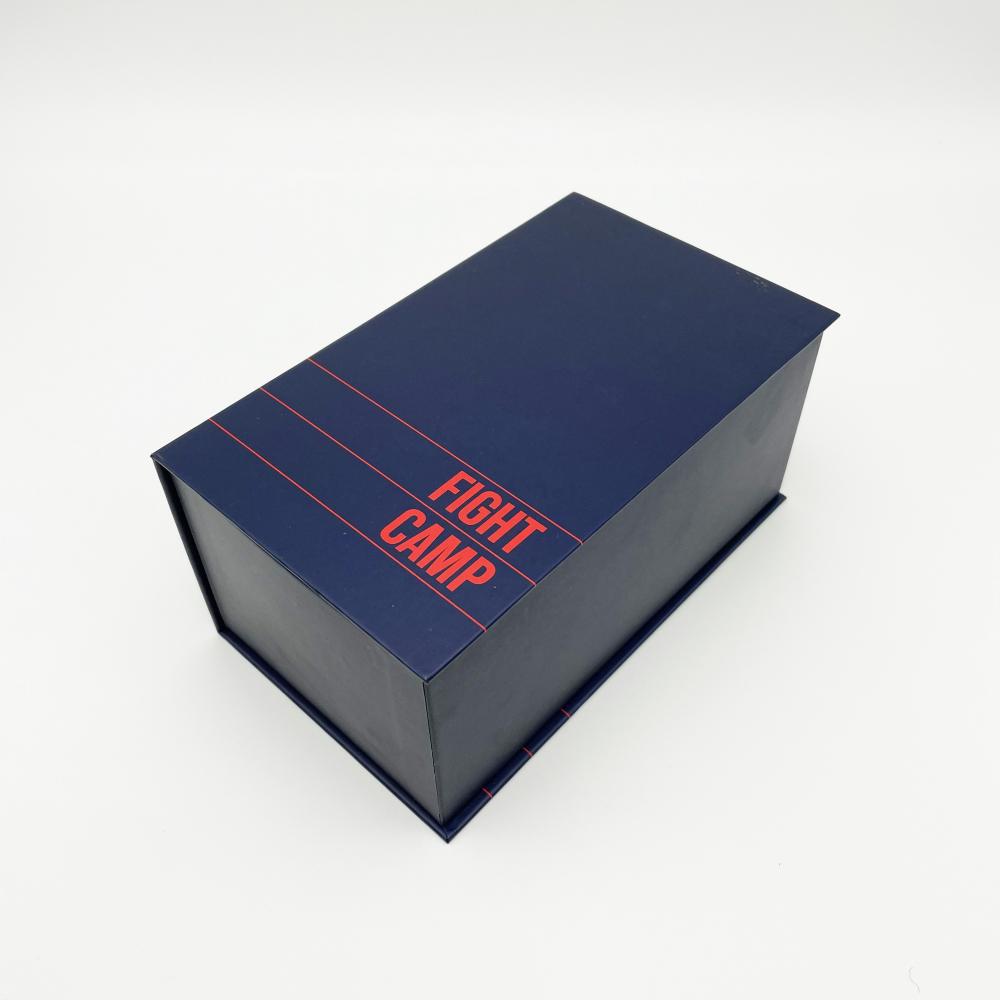
Finally, each batch undergoes quality inspection, checking size accuracy, printing quality, folding alignment, and structural strength before packaging and shipment.
In conclusion, a custom paper packaging box is not just folded paper—it is a structured manufacturing process combining design, materials, printing, and precision engineering to ensure both protection and branding performance.